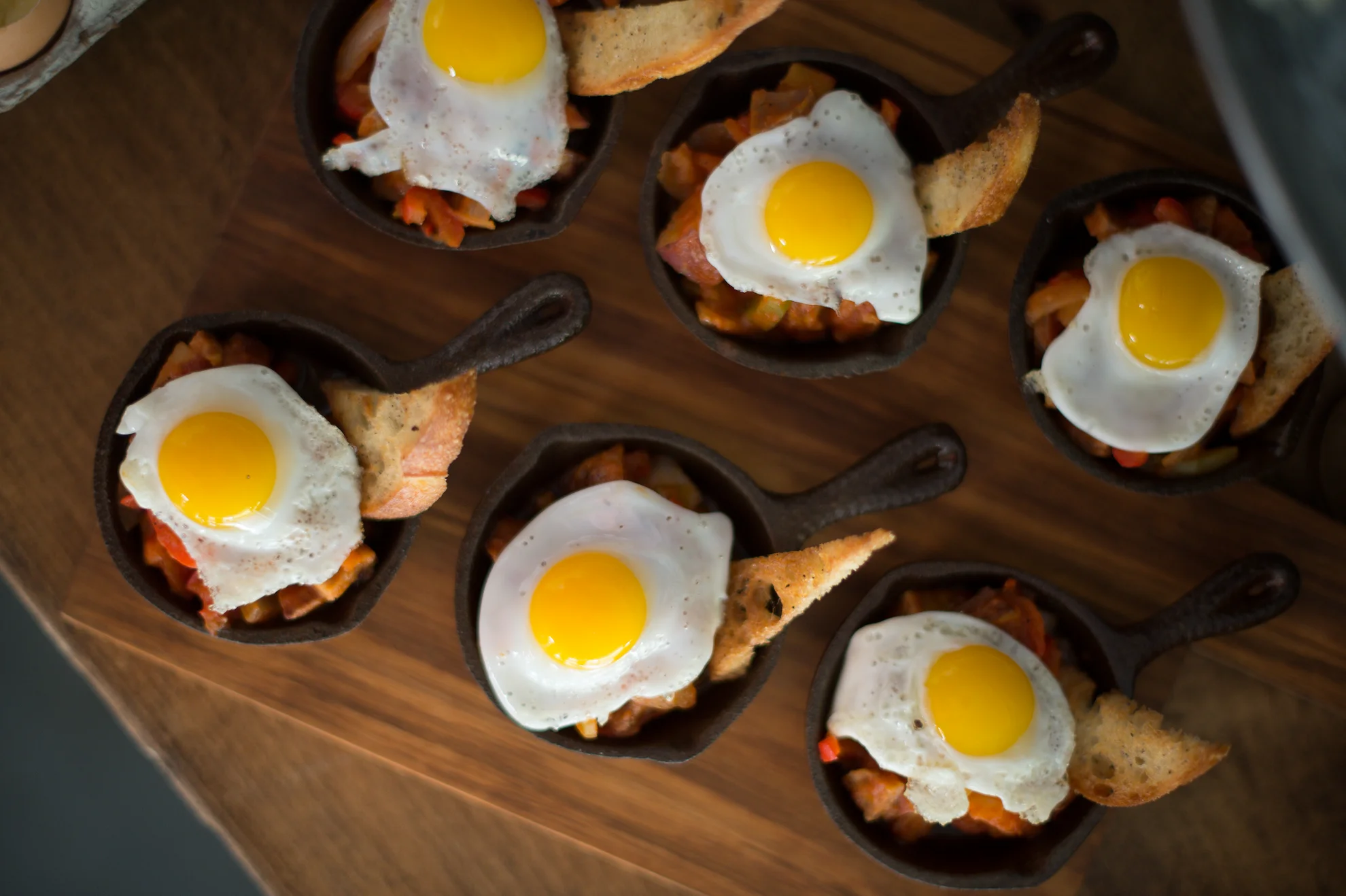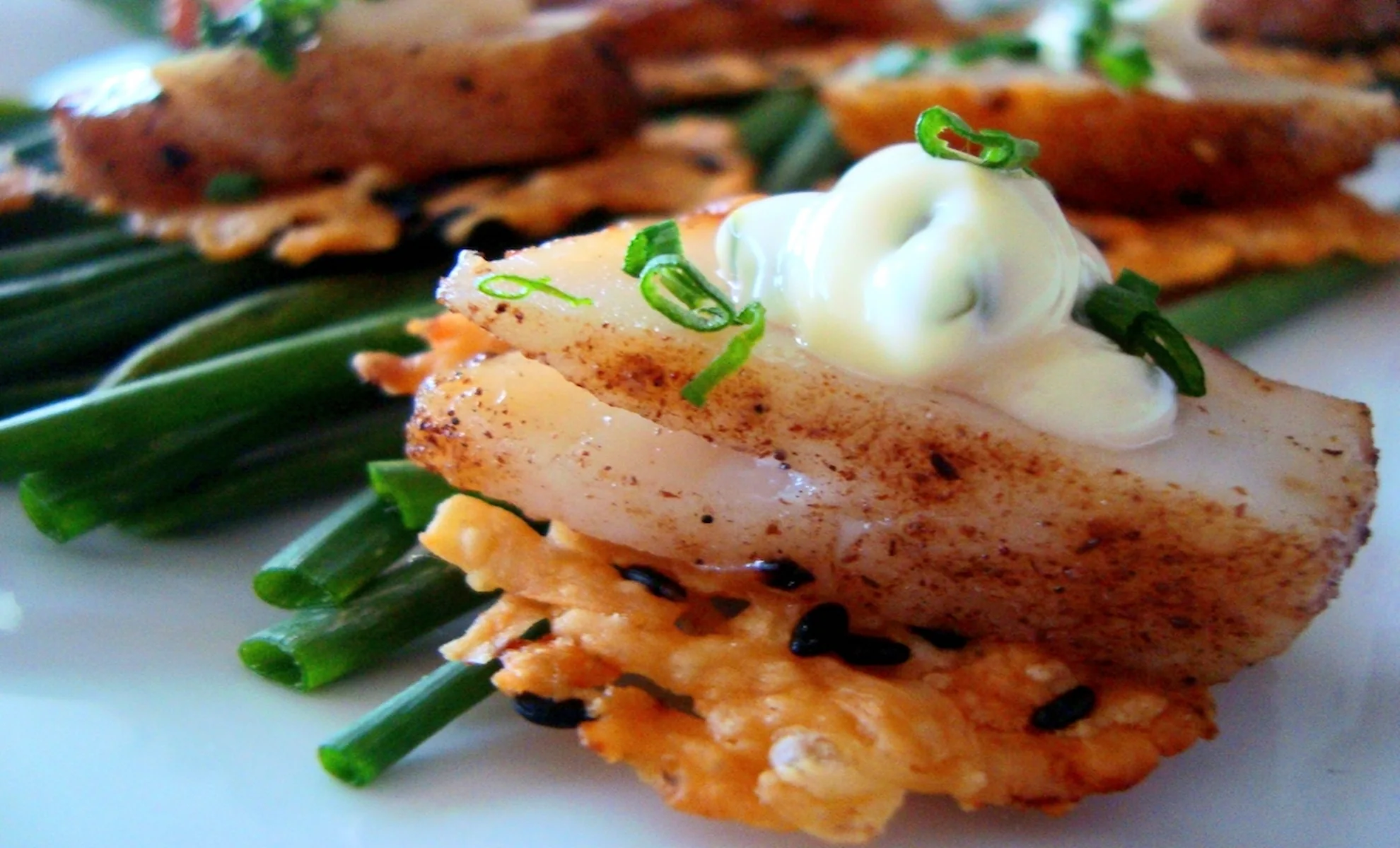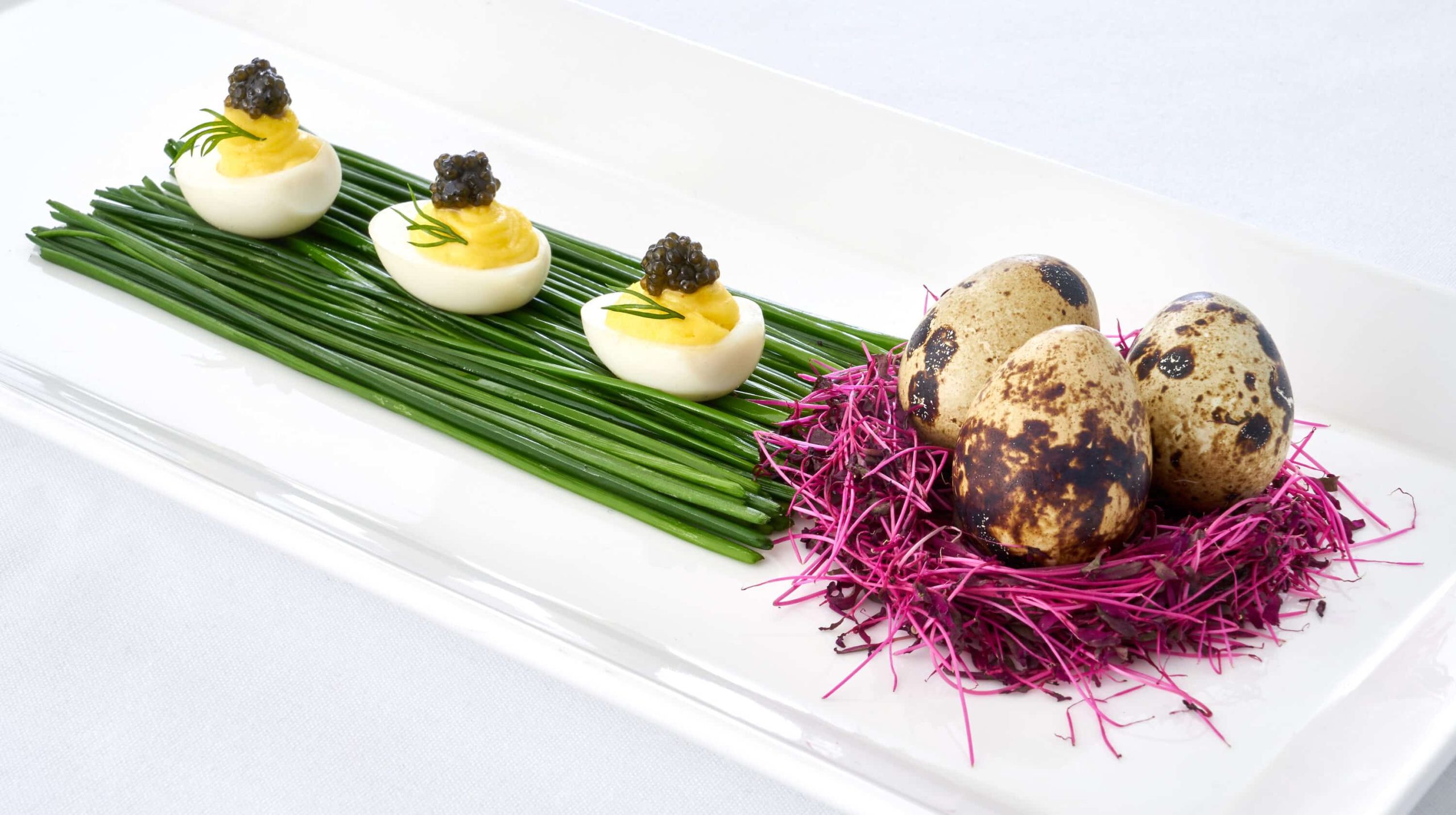
Event Catering Menu
An event catering menu is far more than a list of food options—it is a thoughtfully designed culinary narrative that reflects the tone, purpose, and audience of an event. Whether it’s a black-tie corporate gala, a rooftop engagement celebration, or an intimate dinner party, the menu plays a defining role in shaping the guest experience. In New York City, where expectations run high and tastes are discerning, crafting an impeccable menu demands more than creativity—it requires precision, adaptability, and a commitment to quality. The foundation of an effective catering menu lies in balancing flavor profiles, dietary accommodations, presentation, and seasonality while aligning seamlessly with the overall aesthetic and flow of the event.
Menus that succeed in NYC’s fast-paced and culturally rich environment are those that reflect an understanding of local palates, incorporate sustainably sourced ingredients, and honor the diversity of dietary needs. Flexibility and customization are key, but so is a sense of structure and sophistication that allows guests to enjoy each course without disruption.
How to Build a Memorable Event Catering Menu
Creating a standout event catering menu begins with understanding the event’s purpose and the client’s vision. The first step is defining the style of service: whether plated, buffet, family-style, or a refined drop-off catering format. Each style brings its own rhythm to an event, and the menu should complement the pacing.
Once the format is established, the focus turns to ingredient selection. Seasonal, locally sourced produce ensures not only peak flavor but also supports sustainability—an increasingly important factor for clients who value responsible practices. In a city like New York, the access to regional farms and markets offers a vibrant canvas for curating fresh, inspired dishes that feel timely and intentional.
Balancing courses is equally essential. An event menu should progress naturally, from light starters to rich mains and nuanced desserts. Attention must also be paid to dietary considerations. A well-executed menu anticipates a variety of preferences—plant-based, gluten-free, kosher-style—without compromising on creativity or elegance. Offering options that stand on their own, rather than substitutions, ensures every guest enjoys a complete experience.
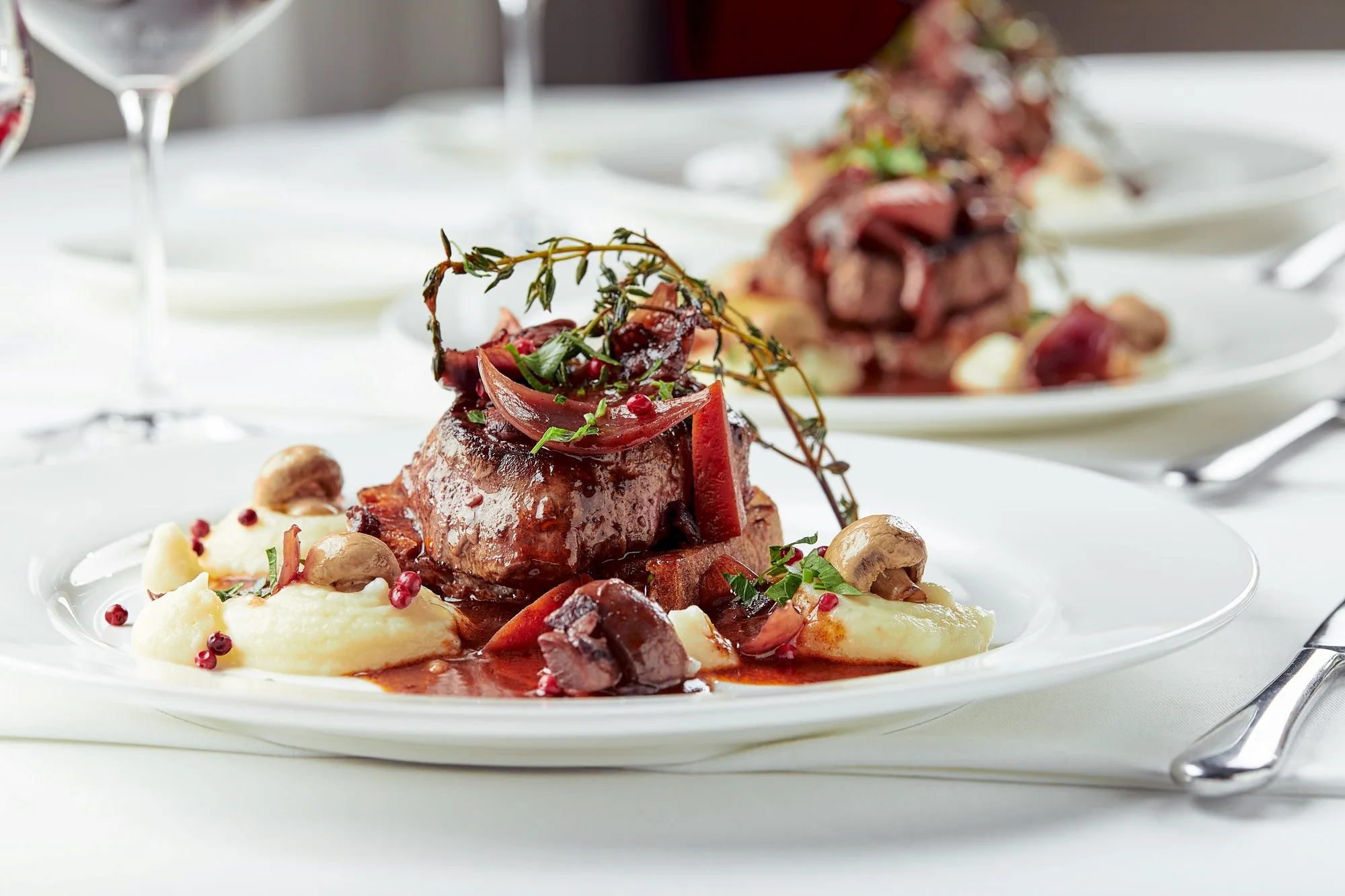
Portioning, pacing, and presentation tie everything together. Portions should be generous yet refined, allowing guests to savor each bite without feeling overindulged. Pacing between courses should allow for conversation and flow, especially in corporate or social events where networking or speeches play a role. Presentation is the final layer—how a dish is plated or packaged matters just as much as its flavor. This is especially true for drop-off catering, where aesthetics must hold up in transport and still arrive table-ready.
To see how thoughtful planning plays out across different seasonal gatherings, we’ve explored several themes in our holiday party planning guide that highlight the synergy between event timing and menu direction.
Curated Menus Reflecting Occasion and Intent
The best catering menus are those that align with the occasion’s emotional and cultural context. A winter wedding may call for hearty, warm dishes with robust spices, while a summer rooftop party benefits from fresh herbs, chilled small plates, and light entrées. Beyond seasonality, the type of gathering—corporate, social, or private—directly informs menu strategy.
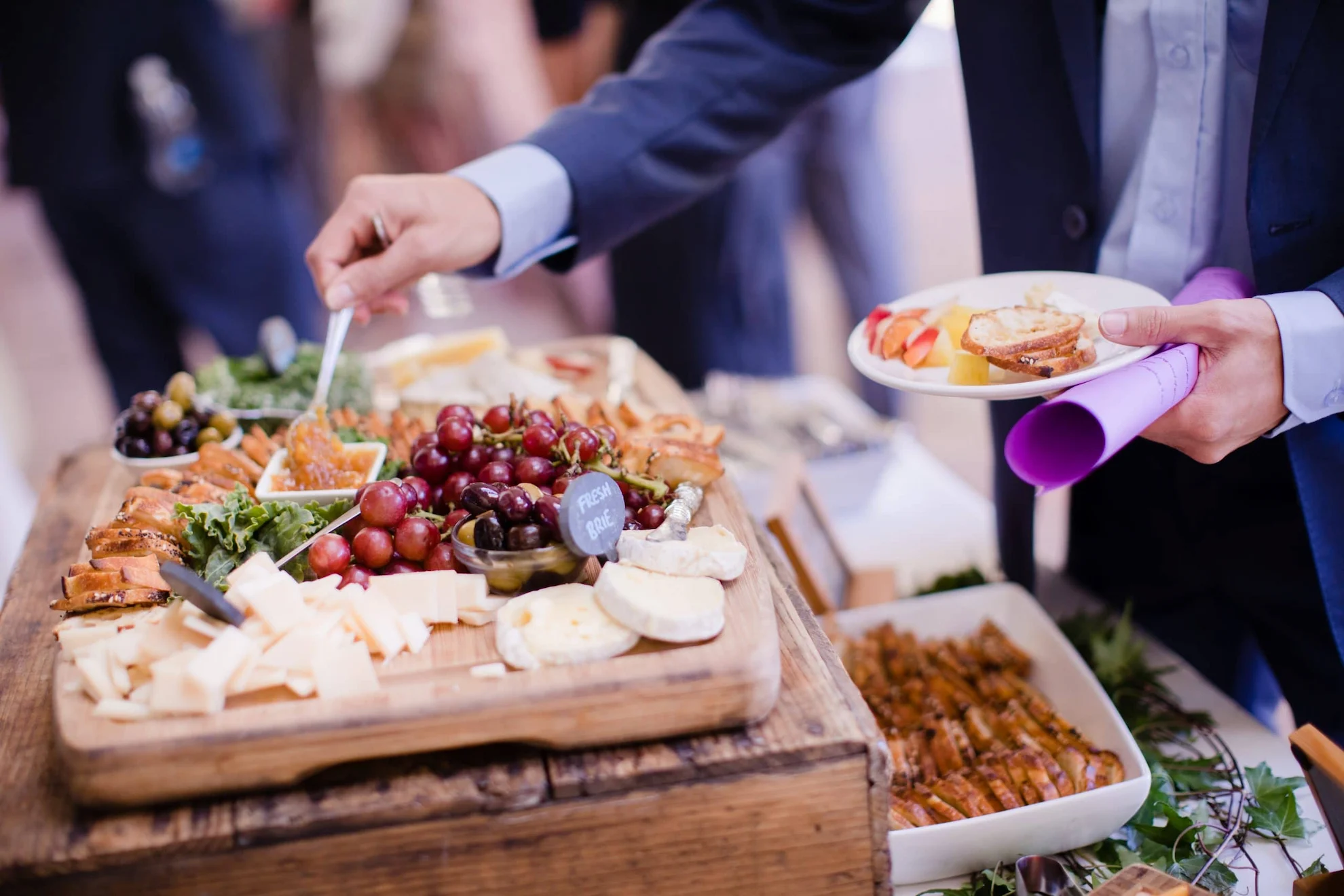
For instance, corporate events often prioritize efficiency and accessibility, favoring menus that are flavorful yet easy to consume without interrupting the event’s flow. A private celebration may lean more into culinary storytelling, where the dishes reflect personal histories, shared memories, or family traditions. Social events, such as milestone birthdays or graduations, offer an opportunity for interactive experiences like build-your-own stations or globally inspired food pairings.
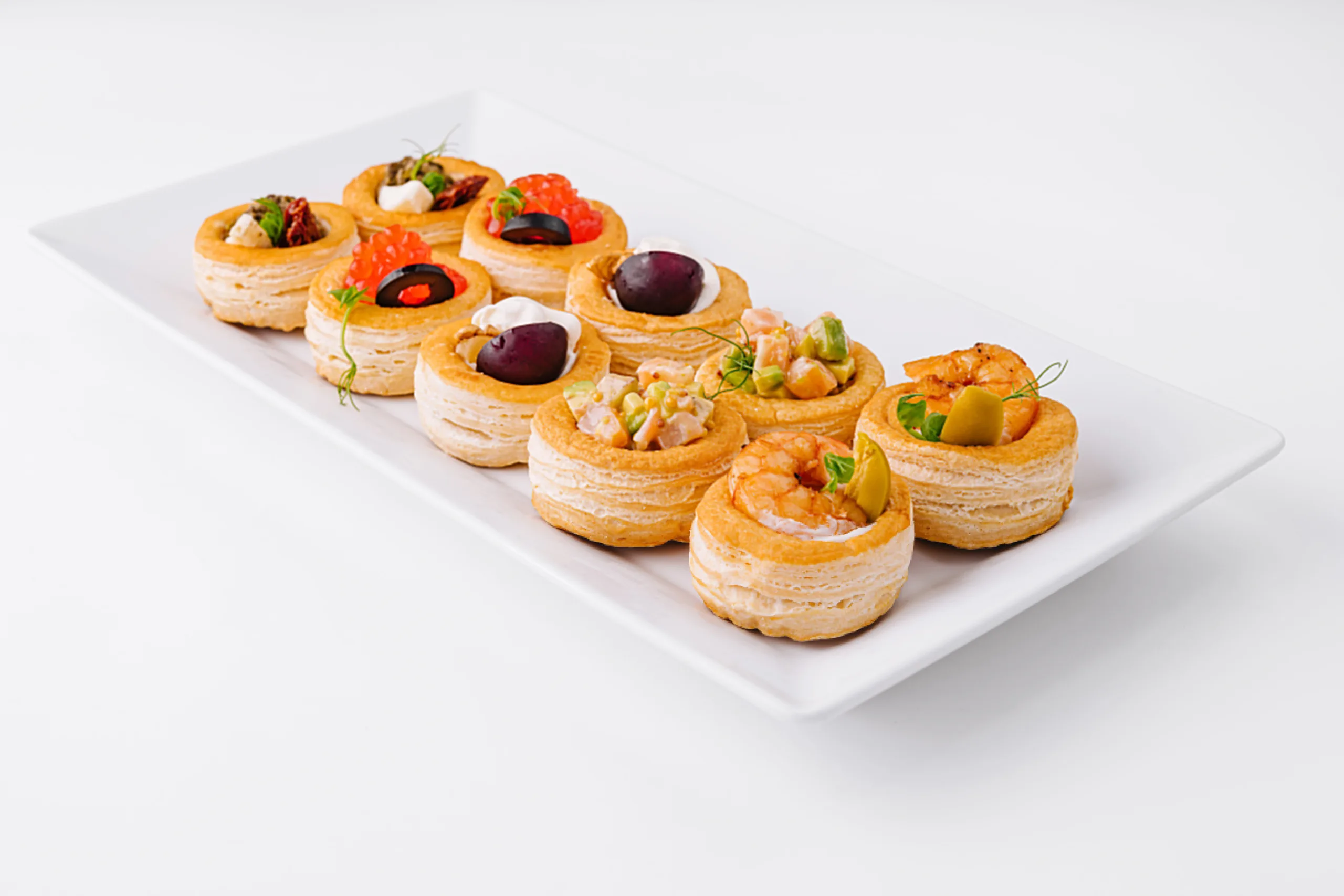
Menu customization is not limited to the food itself—it extends to the way it is served and styled. Some events benefit from passed hors d’oeuvres to encourage movement and mingling, while others call for multi-course plated service with synchronized timing. For occasions where a full-service team isn’t required, a well-executed drop-off catering menu provides convenience without compromising on elegance or detail.
These distinct needs are addressed in our guide to graduation party catering, where flexible formats and celebratory dishes come together in harmony.
The NYC Approach: Ingredients That Speak for Themselves
New York City offers access to an incredible variety of regional ingredients, from Hudson Valley produce to Long Island seafood and artisanal products from borough-based purveyors. Leveraging this abundance means menus that are not only fresh and seasonal but also grounded in the local terroir. This connection to place is part of what makes catering in NYC distinctive.
Ingredient-driven menus aren’t about complexity for its own sake—they’re about allowing each element to shine. A dish as simple as roasted root vegetables can be elevated by using heirloom varietals, finishing with cold-pressed oils, and pairing with house-made sauces. Sustainability also plays a major role. Clients are increasingly asking about sourcing practices, waste reduction, and eco-conscious packaging, especially for drop-off catering orders.
Incorporating these priorities into menu design reflects not only culinary integrity but also a responsiveness to evolving client expectations. It’s no longer enough to deliver good food—guests want to know where it came from, how it was made, and how it fits into a broader philosophy of mindful celebration.
We address this in more depth when covering food and health-focused occasions, such as World Health Day events, where wellness and flavor go hand in hand.
Continuing with Events That Inspire Culinary Design
Some of the most memorable menus are born from themed events or those rooted in cultural inspiration. Whether it’s a celebration of heritage or a playful twist on tradition, these events allow for bold flavors, creative presentations, and unique ingredient pairings.
Menus designed for cultural events often draw from a region’s specific techniques, spices, and textures, but translate them with a modern, elevated touch. A Mediterranean-inspired grazing board, a plant-forward Caribbean tasting menu, or a refined version of classic street food—all can bring personality and vibrancy to an event. The key is authenticity paired with a respect for refinement.
One notable example is the growing popularity of Latin-inspired wedding menus. We explore these flavorful, vibrant experiences in our piece on Mexican-inspired weddings, where culinary storytelling becomes part of the celebration.
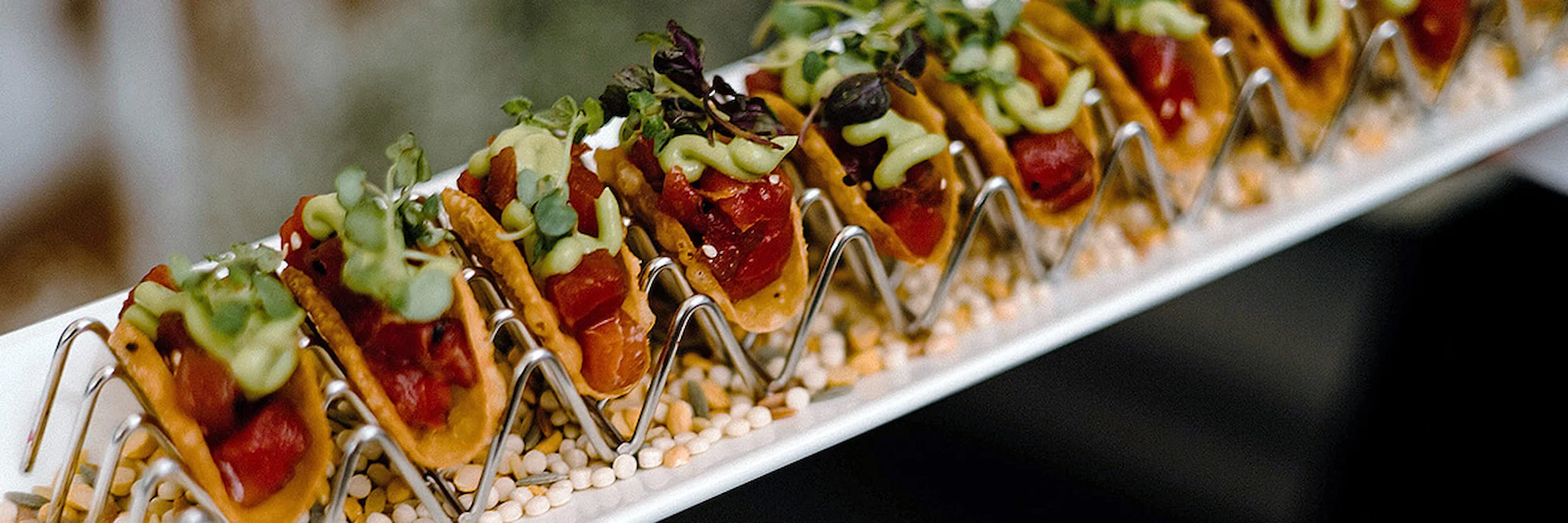
Elevated Additions: Enhancing the Menu with Custom Experiences
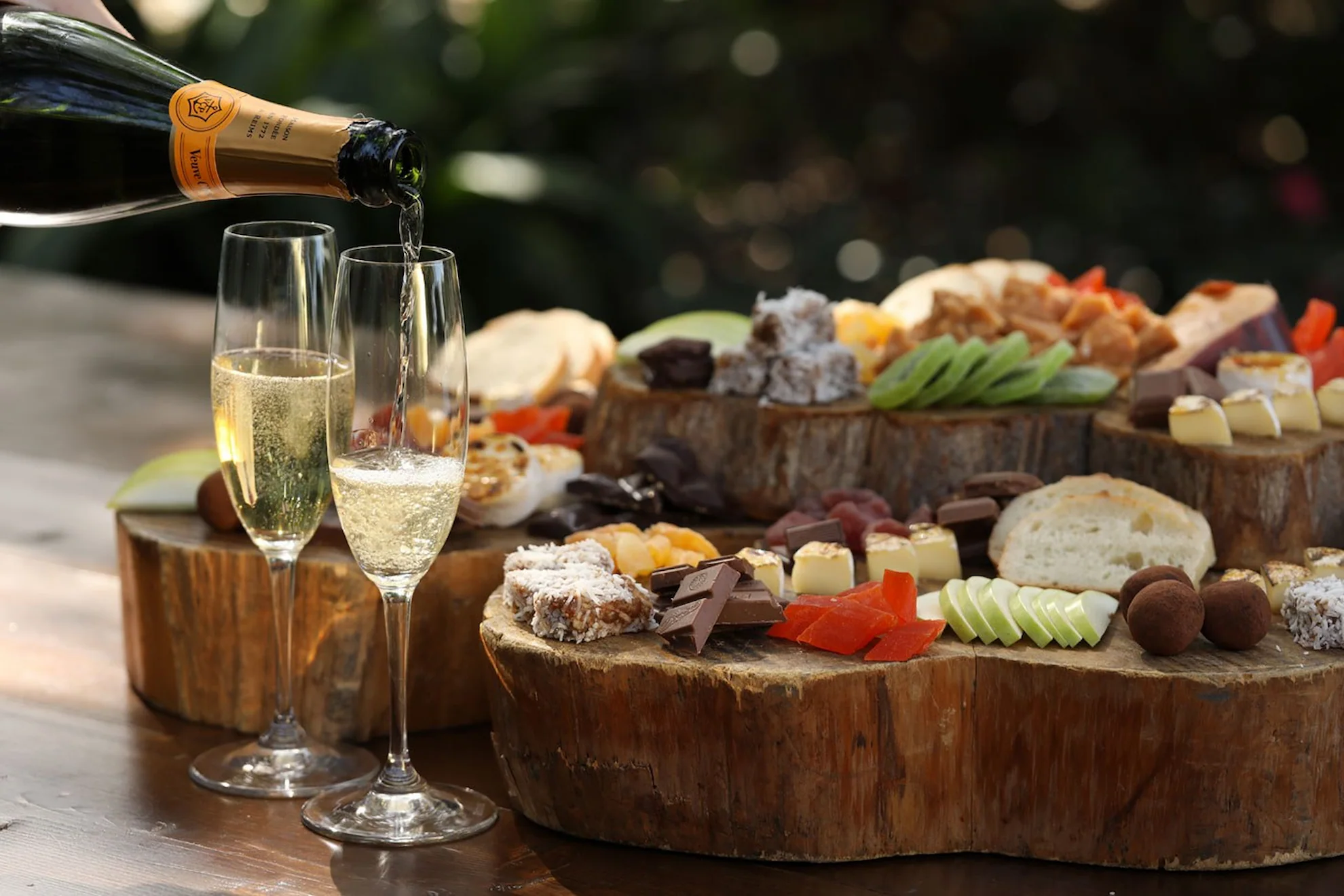
Beyond the foundational structure of an event menu lies an array of thoughtful add-ons that elevate the guest experience. These elements are not about excess but about refinement—small details that create lasting impressions. Signature cocktail pairings, interactive stations, and bespoke dessert displays can all be integrated seamlessly into the overall catering plan.
One increasingly popular enhancement is the inclusion of curated dessert installations. Rather than traditional plated sweets, hosts are turning to experiential setups such as interactive candy bars, artisanal pastry stations, or seasonal mini-dessert flights. These not only offer variety but serve as visual centerpieces that encourage guest interaction.
Events with a more playful or festive tone can incorporate build-your-own stations—ideal for casual elegance and creative freedom. These work well for both adult and family-friendly environments, provided they’re executed with the same attention to detail as the main menu. Even drop-off catering can support this kind of experience, provided the packaging, layout, and flow have been carefully planned in advance.
For a closer look at how a personalized touch can transform a menu feature into an engaging guest activity, we’ve broken down ideas in our article on creating a custom candy bar.
Menus That Reflect Celebration and Identity
Event catering menus are not static—they evolve with the people they serve and the moments they celebrate. Menus for engagement parties, for instance, often blend formality with romance, combining delicate small bites with warm, communal dishes. The tone is more intimate, and the food becomes a bridge between families and friends coming together for the first time.
In contrast, menus for milestone events like birthdays or seasonal holidays may benefit from a more exuberant approach. Global influences, thematic pairings, and unexpected presentation styles add energy and creativity. These are menus that invite conversation and connection, where food becomes part of the storytelling.
A thoughtful example of balancing elegance with cultural flair can be found in our Cinco de Mayo catering guide, which explores how celebratory foods can remain elevated without losing authenticity.
For engagement-specific inspiration that merges aesthetic sophistication with menu adaptability, see our insights on engagement party catering in NYC.
Elegant Simplicity in Drop-Off Catering
Not every event calls for full-service catering, but that doesn’t mean compromising on quality. Drop-off catering, when executed properly, offers the best of both worlds: chef-curated dishes delivered with care and attention to presentation, ready for service upon arrival. This option is ideal for clients who value culinary excellence but require flexibility, whether due to venue restrictions, budget considerations, or a preference for a more private setting.
In high-density cities like New York, drop-off catering also meets the logistical needs of corporate gatherings and residential events without disrupting daily operations or intimate settings. The key to success lies in packaging and preparation—dishes should arrive in temperature-controlled containers, labeled and styled for effortless setup. Clear instructions, thoughtful garnishes, and packaging that reflects the tone of the event are all essential.
Menus designed for drop-off should focus on selections that travel well while maintaining flavor, texture, and visual appeal. Think composed salads, room-temperature entrées with layered flavor profiles, and dessert options that don’t require on-site finishing. This service model requires just as much attention as full-service offerings—it simply shifts where that attention is applied.
From Menu to Experience: Integrating Culinary Design and Event Vision
When a catering menu aligns with the larger event concept, it becomes more than a collection of dishes—it transforms into an extension of the host’s intent. Whether minimalist and modern or rich and traditional, every menu should be curated to reflect the aesthetic choices and emotional tone of the gathering.
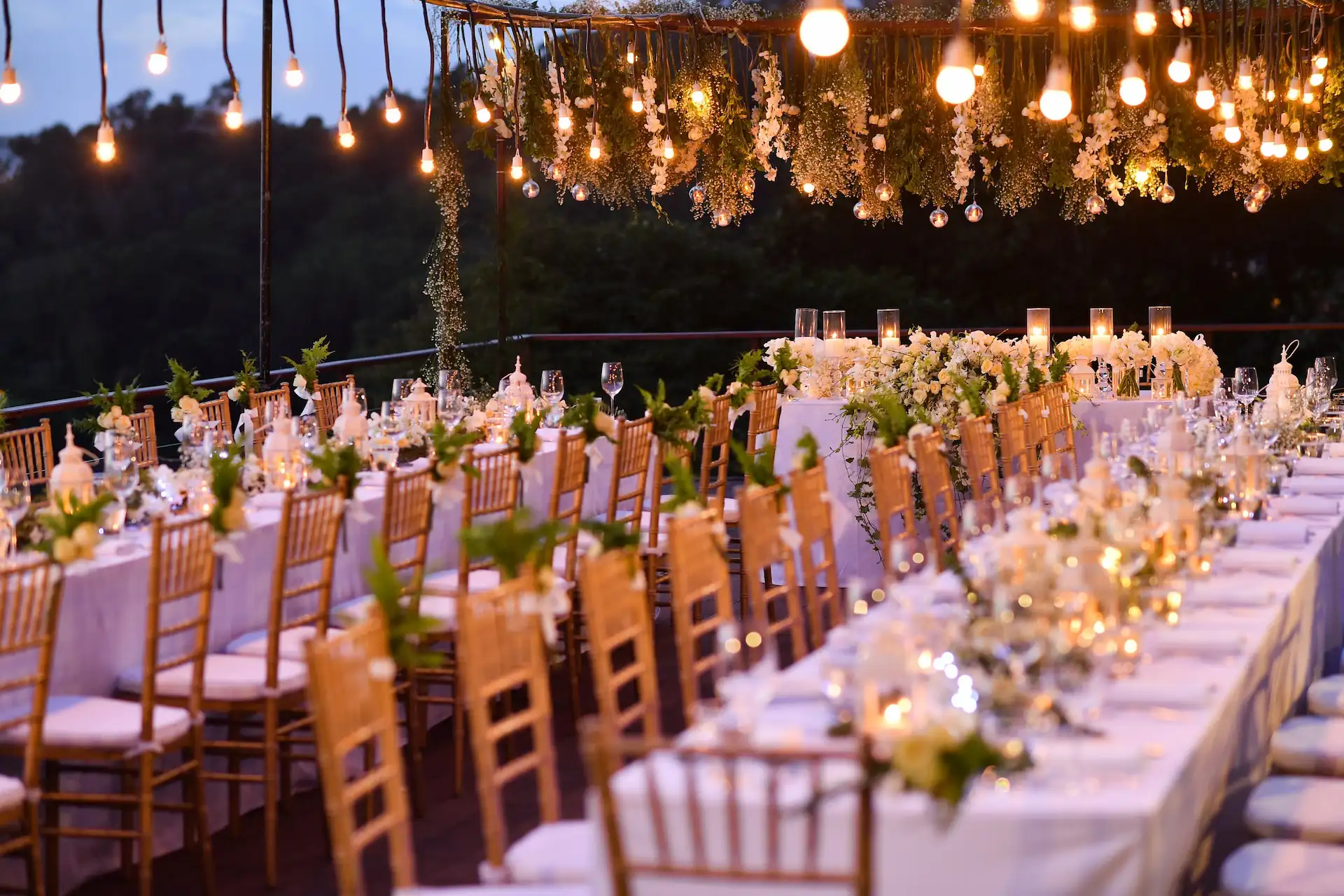
Visuals matter, even when the food is drop-off. Plate selection, floral accents, table layouts, and even serving utensils contribute to how guests experience the food. A clean, well-organized tablescape can turn a casual buffet into a refined dining setup. These subtleties are where design and catering intersect, enhancing the immersive quality of an event.
For those interested in how visuals enhance the culinary experience, our exploration of tablescapes in New York weddings demonstrates how event design complements a well-executed menu.
Conclusion: The Power of Intention in Menu Design
An event catering menu is a reflection of care. In a city defined by its diversity, speed, and sophistication, standing out requires more than simply offering a good meal. It requires an understanding of narrative, of place, and of the people involved.
From seasonal ingredients and sustainable practices to elegant drop-off service and seamless integration with event aesthetics, the most successful catering menus are those that feel considered from the first amuse-bouche to the final farewell treat. They anticipate needs, delight guests, and contribute to the lasting impression of the event itself.
small but mighty event ideas
What is typically included in an event catering menu?
An event catering menu generally includes appetizers, main courses, desserts, and beverages. Depending on the service style, it may also feature specialty stations, passed hors d’oeuvres, or themed dishes tailored to the event’s format and guest preferences.
How do I customize a catering menu for dietary restrictions?
Customization begins with open communication about your guests' dietary needs. A well-rounded caterer will offer plant-based, gluten-free, kosher-style, and allergy-friendly options that are as thoughtfully prepared and presented as the rest of the menu.
What are the benefits of drop-off catering for events?
Drop-off catering provides flexibility and convenience while maintaining a high level of quality. It’s ideal for corporate meetings, home celebrations, or venues that don’t require full staffing. When properly planned, it delivers beautifully plated meals with minimal setup.
How important is seasonality when planning an event menu?
Seasonal ingredients ensure peak flavor, freshness, and sustainability. Incorporating local produce not only supports nearby farms and vendors but also allows the menu to reflect the time of year and the regional character of the event.
Can a catering menu reflect a specific theme or culture?
Absolutely. Cultural influences, thematic inspiration, and personal stories can all shape the culinary direction. From Mediterranean small plates to Latin-inspired wedding menus, a professional caterer can design a menu that feels both authentic and elevated.
More Questions ?
small but mighty event ideas
Questions —Answered
Our Catering Sales Managers Are ready to Assist you and turn your vision into realty
Recent

450
urban affairs catering and events NYC
urban affairs catering and events NYC
sushi-set-nigiri-and-rolls-768×768

Gotham Catering And Event
Gotham Catering And Events

Chicken Tajon
Mproccan chicken tajin kkk hhh hh
Gotham Catering And Event
Gotham Catering And Events
Gotham Catering And Event
Gotham Catering And Events